Collision Repair Insights

Educational articles covering collision repair procedures, manufacturer standards, safety systems, and what to expect during the repair process.

REPAIR EDUCATION

Understanding Modern Collision Repair

Modern collision repair involves more than replacing damaged panels. Vehicle structure, advanced safety systems, manufacturer repair procedures, and calibration requirements all influence how repairs are performed. These articles are designed to provide helpful information about the repair process and the systems involved in restoring modern vehicles after a collision.
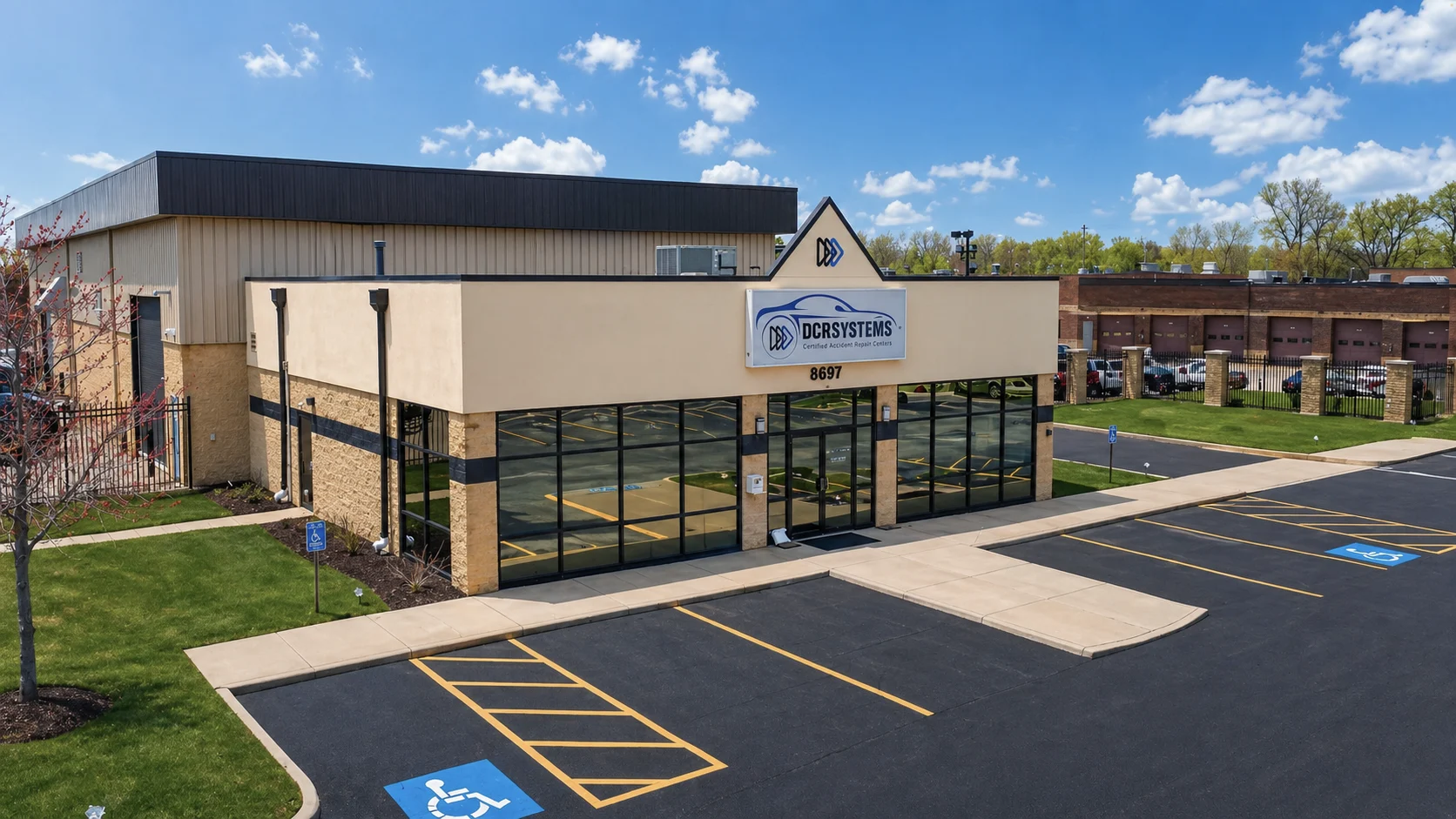
  • DCR Systems Mentor collision repair facility exterior building and parking lot

    OEM Parts vs. Aftermarket: What You Need to Know

    Understanding how OEM and aftermarket parts differ can help explain repair recommendations, structural considerations, and manufacturer-specific replacement requirements following a collision.

  • Structural measurement system in collision repair facility

    Structural Collision Repair Impact on Safety Systems

    How structural misalignment affects ADAS sensor accuracy and why millimeter-level precision matters for collision warning systems, calibration requirements, and the performance of modern driver-assistance technologies following collision repairs.

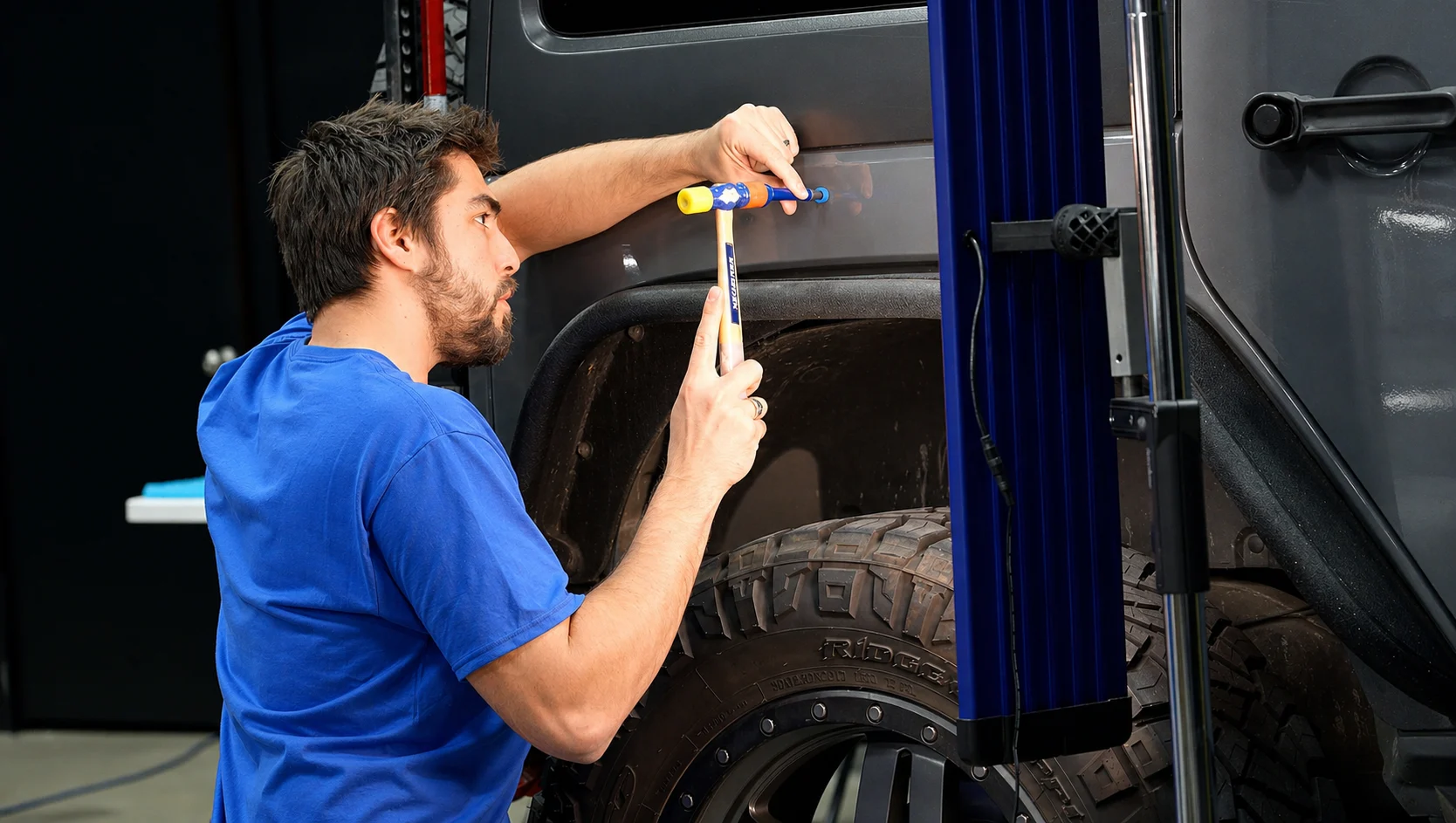
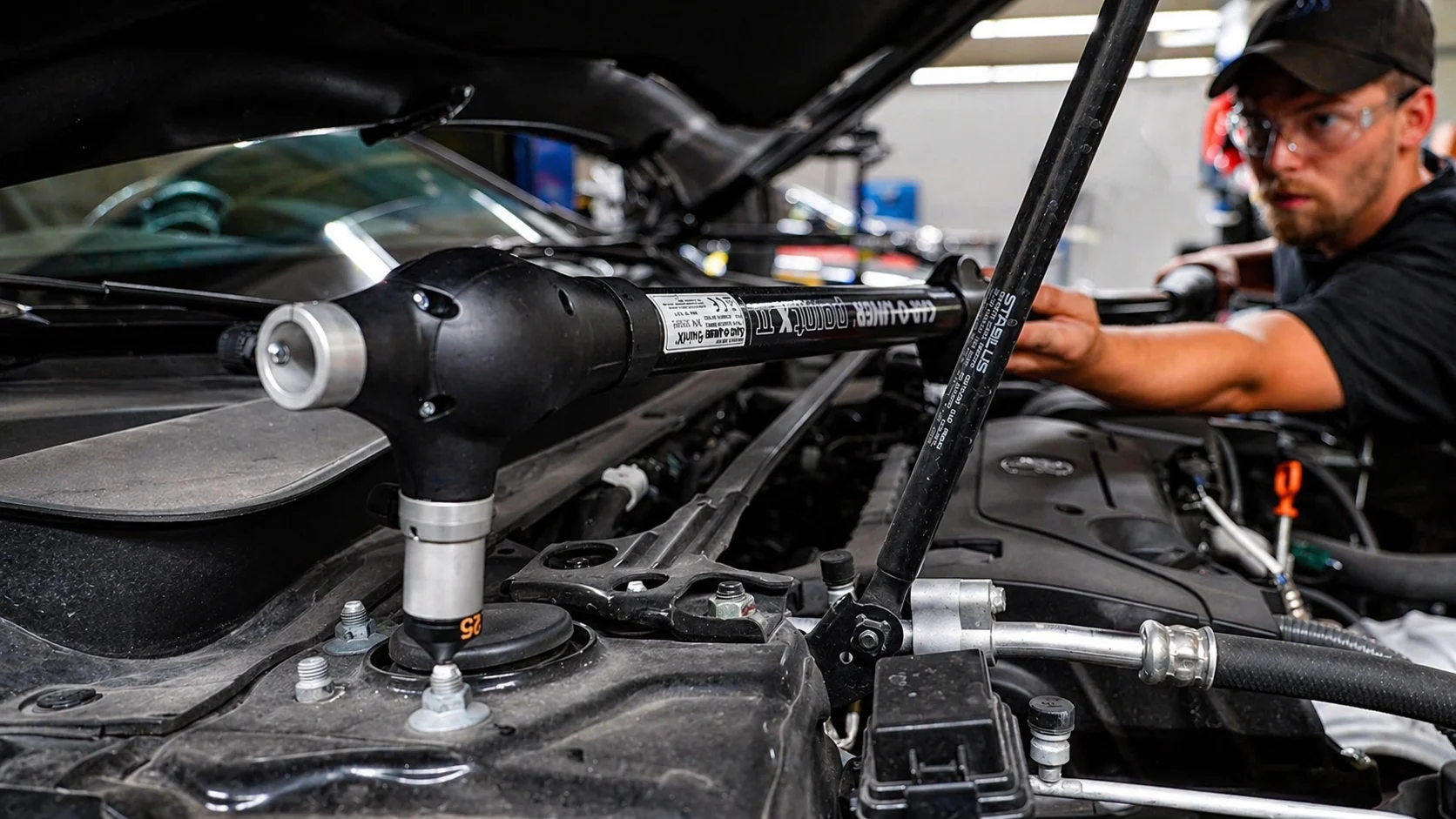
  • Technician performing auto body panel repair in Mentor, Ohio collision repair facility

    Certified Collision Repair in Mentor and Lake County, Ohio

    Understanding what to look for when selecting a manufacturer-certified collision repair facility in Northeast Ohio, including repair procedures, technician training, structural repair standards, and advanced safety system requirements.

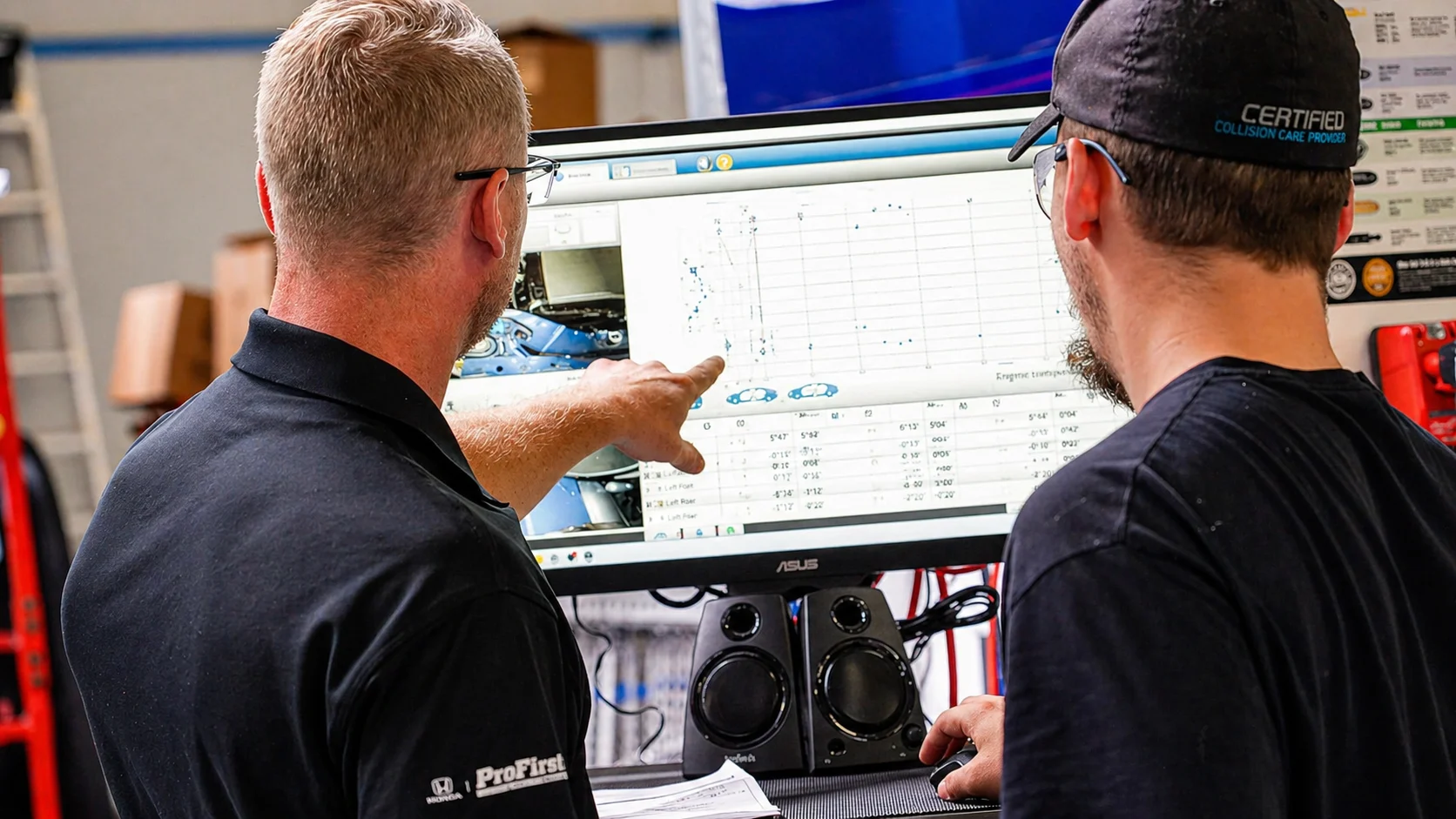
  • Technicians reviewing vehicle measurement data and repair analysis on computer screen

    Ford Certified Collision Network Requirements & Benchmarks

    Ford's certification program mandates specific repair procedures, diagnostic equipment, and ongoing training to maintain alignment with manufacturer standards. Ford's certification program mandates specific repair procedures, diagnostic equipment, and [...]
  • ADAS Calibration After Collision Repairs Are Completed

    Modern vehicles require sensor calibration following structural repair to maintain safety system accuracy. Modern vehicles require sensor calibration following structural repair to maintain safety system accuracy.

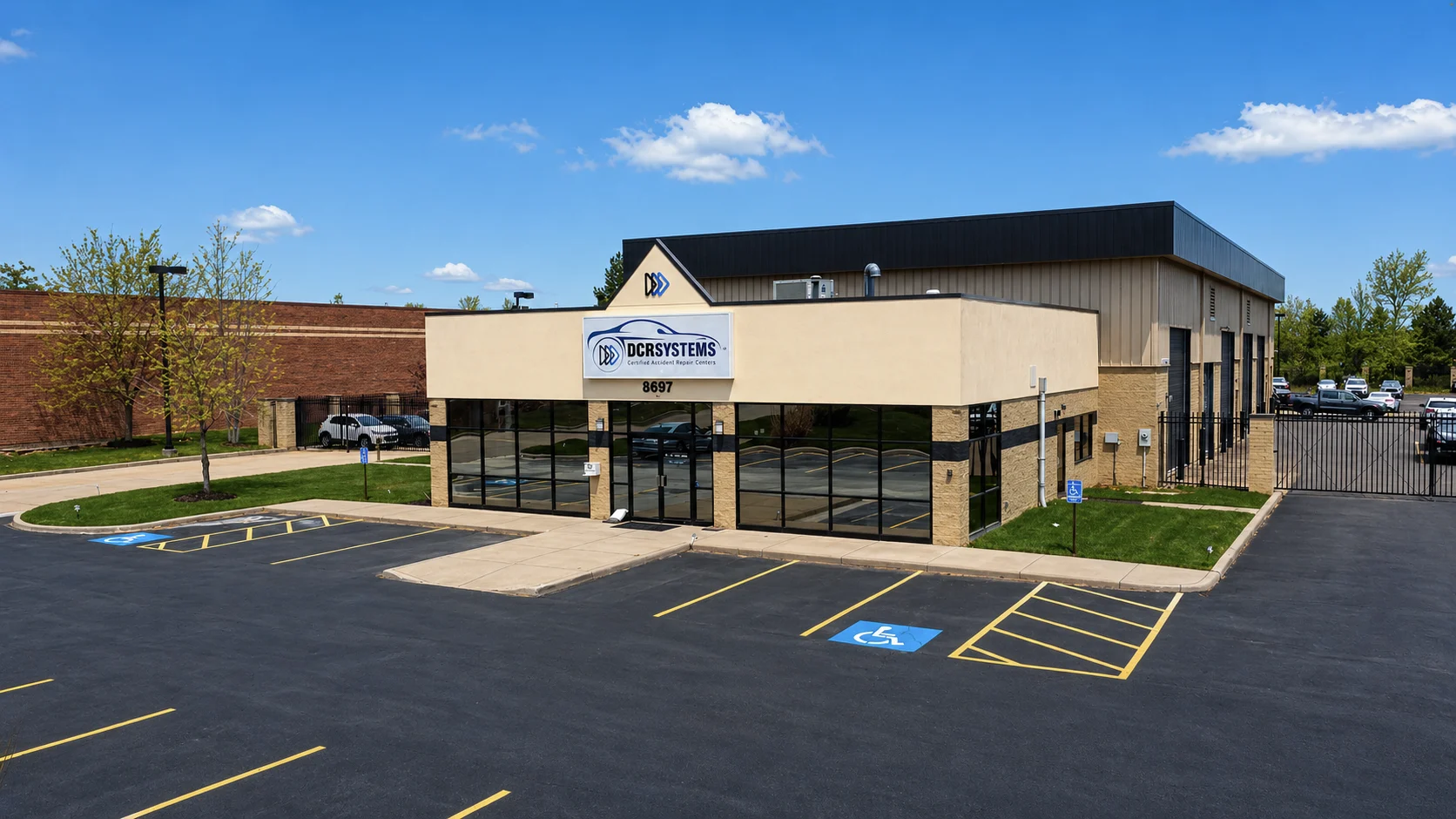
    Front elevation of DCR Systems Mentor collision repair facility with customer parking area
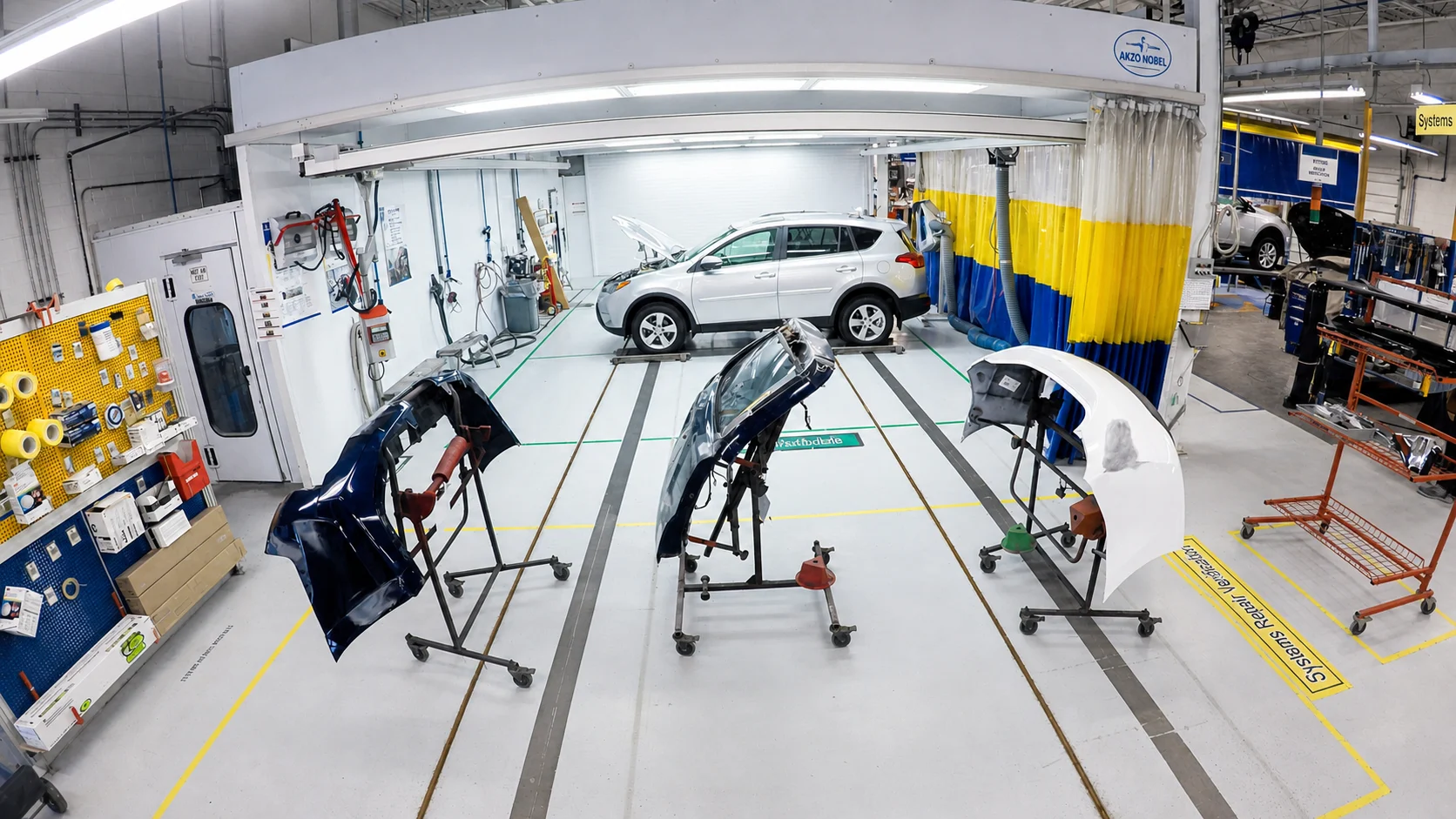
  • Automotive bumper panels staged for refinishing and paint preparation at DCR Systems Mentor collision repair facility

    Understanding Toyota Certified Collision Repair Standards

    Toyota's certification program requires specific equipment, training, and procedural compliance to maintain vehicle safety system integrity. This guide explains what OEM certification means for collision repair quality.

Questions About the Collision Repair Process?

Contact the DCR Systems Mentor team to discuss your vehicle, review repair-related questions, or better understand the next steps following a collision.